Moisture is one of the most destructive elements in building interiors. Whether you are dealing with a damp basement, a steamy commercial kitchen, a poorly ventilated bathroom, or a coastal property exposed to high humidity, conventional ceiling materials often deteriorate over time. Over time, standard ceiling materials absorb moisture, leading to structural damage, health hazards, and expensive repairs.
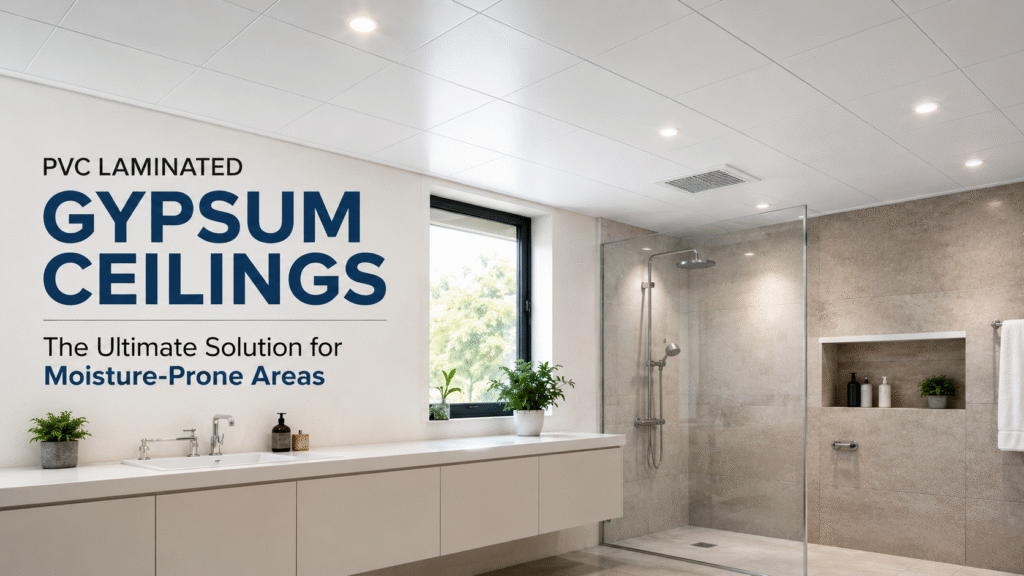
Choosing the right ceiling material is critical to the longevity and safety of your space. This is where PVC Laminated Gypsum Ceilings step in as an innovative, highly effective solution. Engineered specifically to combat damp environments, these advanced ceiling panels offer the perfect blend of structural integrity, aesthetic appeal, and excellent moisture resistance.
In this comprehensive guide, we will explore why PVC Laminated Gypsum ceilings are becoming the go-to choice for homeowners, architects, and builders looking to conquer humidity-related interior challenges.
What are PVC Laminated Gypsum Ceilings?
PVC Laminated Gypsum Ceilings are specialized false ceiling panels designed for maximum durability and water resistance. They are manufactured using a multi-layered approach that maximizes the strengths of different materials.
The Core: The center of the panel consists of high-quality gypsum board. Gypsum is renowned in the construction industry for its excellent structural stiffness, acoustic ceiling properties, and natural fire resistance.
The Front Face: The visible side of the tile is laminated with a Polyvinyl Chloride (PVC) membrane. This synthetic layer provides excellent moisture resistance while offering a smooth, durable, and visually appealing finish.
The Back Face: The rear of the panel is typically sealed with a protective metalized or aluminum foil layer.
This smart manufacturing technique helps protect the gypsum core by significantly reducing moisture penetration from humidity and condensation. As a result, the panels perform reliably in moisture-prone environments when installed and maintained correctly. These panels are generally designed to be installed seamlessly into standard T-grid suspension systems, making them incredibly versatile.
Why Moisture is a Major Problem for Conventional Ceilings?
Standard false ceilings, particularly traditional paper-faced plasterboards, are highly vulnerable to water damage. When installed in humid areas, they act like a sponge, drawing moisture directly from the air.
This absorption leads to several severe problems:
Mold and Mildew Growth: Damp, organic materials (like the paper facing on standard gypsum) provide the perfect breeding ground for toxic mold spores, severely impacting indoor air quality.
Peeling Paint and Unsightly Stains: Water leaves behind distinct yellow or brown watermarks and causes ceiling paint to flake and peel.
Sagging and Warping: As conventional boards absorb water, they become heavy and lose their structural rigidity, leading to a sagging ceiling that may eventually collapse.
High Maintenance Costs: The constant cycle of cleaning, patching, repainting, and replacing standard ceiling tiles drains property maintenance budgets.
Benefits of PVC Laminated Gypsum Ceilings
Upgrading to PVC Laminated Gypsum Ceilings solves the problems associated with standard materials while delivering numerous added advantages.
Moisture Resistance
The primary benefit of a PVC Laminated Ceiling is its excellent resistance to moisture and humidity, making it suitable for bathrooms, kitchens, healthcare facilities, and other moisture-prone environments. The synthetic PVC front and foil backing create an impenetrable moisture barrier. Even in areas with heavy condensation, the tiles remain flat, rigid, and completely dry inside.
Durability
Thanks to the robust gypsum core, these panels do not bend, bow, or warp under standard conditions. The lamination protects the core from environmental degradation, ensuring the structural integrity of the ceiling lasts for decades.
Easy Cleaning
In spaces like commercial kitchens, grease deposits, smoke, and steam condensation are daily realities. A PVC surface is incredibly smooth and non-porous. A simple wipe-down with mild soapy water or standard disinfectants easily removes dirt and grease.
Elegant Appearance
Gone are the days when functional meant boring. These ceiling panels are available in various crisp, clean finishes. The bright white PVC face effectively reflects ambient light, optimizing illumination and making rooms look larger and more inviting.
Low Maintenance
Because the color and texture are baked into the PVC lamination, these ceilings never require repainting, varnishing, or sealing. Once installed, they require almost zero upkeep.
Long Life
By resisting the primary causes of ceiling decay—water, mold, and rot—waterproof ceiling solutions outlast traditional plasterboards significantly, especially in harsh environments.
Hygienic Surface
Fungi and bacteria require organic material and moisture to survive. Because the exposed face of the panel is synthetic PVC, it deprives microbes of a food source, creating a highly sanitary environment.
Termite Resistance
Unlike wooden ceiling panels or certain organic composite boards, PVC and gypsum are entirely synthetic and mineral-based, making them completely immune to termite attacks.
Fire Performance
Gypsum is naturally non-combustible because it contains chemically combined water within its crystalline structure. While the outer PVC layer is a polymer, the thick gypsum core acts as a highly effective fire retardant, enhancing the overall safety of the building.
Conclusion
Moisture no longer has to be a death sentence for your interior design. By switching to PVC Laminated Gypsum Ceilings, you completely eliminate the risks of mold, sagging, and water stains that plague standard false ceilings. Offering unmatched moisture resistance, effortless maintenance, and a clean, elegant aesthetic, these panels are an intelligent, long-term investment for any damp or humid environment.
Ready to protect your space with India’s most reliable waterproof ceiling solutions? Explore the extensive range of premium ceiling products at Amplus and elevate your interiors with quality that lasts a lifetime.
Frequently Asked Questions (FAQs)
Are PVC laminated gypsum ceilings entirely waterproof?
The front PVC lamination and the back foil layer are highly water-resistant, protecting the gypsum core from condensation and humidity. While they are perfect for damp environments, they should not be completely submerged in water.
Can I use PVC laminated gypsum panels in commercial kitchens?
Yes, they are highly recommended for commercial kitchens. Their smooth, non-porous PVC surface makes them incredibly easy to clean, allowing you to wipe away grease and cooking residue effortlessly.
How long do PVC laminated ceilings last?
Thanks to their resistance to moisture, mold, and sagging, these ceilings can easily last 15 to 20 years or more with minimal maintenance, significantly outlasting standard paper-faced gypsum ceilings.
Is a PVC laminated gypsum ceiling better than a standard false ceiling?
For moisture-prone areas, absolutely. Standard ceilings absorb water, leading to mold and structural failure. PVC laminated panels block moisture, retain their shape, and never require repainting.
How do I maintain and clean a PVC laminated ceiling?
Maintenance is incredibly simple. You can clean the surface using a soft sponge, warm water, and a mild soap. Avoid abrasive scrubbers and harsh industrial chemicals to protect the glossy laminate finish.