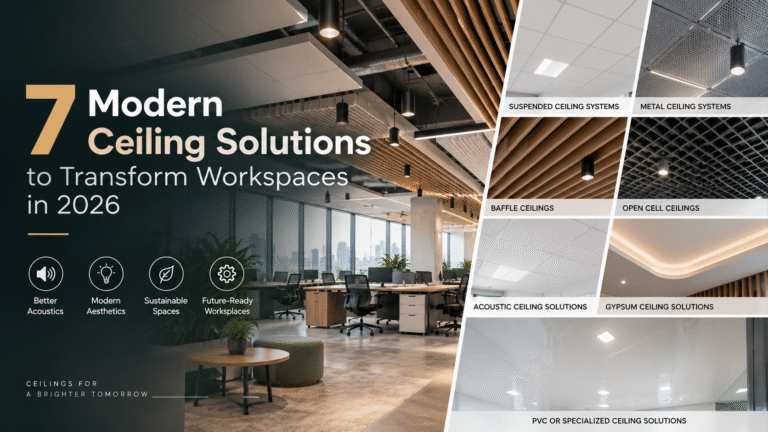

Walk into any modern, open-plan workspace and you will likely notice the design immediately: exposed ceilings, glass partitions, and minimalist concrete floors. While visually striking, these hard surfaces create a significant challenge. They reflect sound waves, leading to excessive reverberation, distracting background noise, and poor speech clarity.
Addressing these acoustic challenges requires a solution that performs technically without compromising the aesthetic vision of the workspace. This is where PET acoustic panels for offices have emerged as a preferred choice for architects, interior designers, and facility managers looking to balance acoustic comfort with modern design.
What Are PET Acoustic Panels?
PET acoustic panels are sound-absorbing interior treatments made from polyethylene terephthalate (PET) fibers. This is the same durable polymer used to manufacture plastic water bottles. Through a specialized manufacturing process, these fibers are heated, compressed, and bonded into lightweight, semi-rigid felt boards.
It is crucial to distinguish between sound absorption and soundproofing. PET panels do not soundproof an office—they will not block loud noises from transmitting through a wall into an adjacent room. Instead, they provide sound absorption. By capturing sound waves and converting that energy into a microscopic amount of heat, they prevent sound from bouncing uncontrollably around a room, effectively managing reverberation and ambient noise levels.
Key Benefits of PET Acoustic Panels in Offices
The integration of PET felt acoustic panels into a commercial interior offers several distinct advantages over traditional materials like mineral wool or fiberglass.
Managing Reverberation and Reflected Sound
The primary acoustic function of PET panels is to reduce flutter echoes and control reverberation times. When properly specified in terms of thickness (typically 9mm to 24mm) and density, PET panels offer excellent sound absorption across the mid-to-high frequency ranges, which correspond directly to the frequencies of human speech.
Supporting Clearer Conversations and Meetings
In conference rooms, poor acoustics make it difficult to understand colleagues, particularly during video calls. By absorbing the first reflections of sound off hard walls, localized acoustic panels reduce the “muddiness” of the audio in the room. This improves speech intelligibility, making meetings more productive and less fatiguing.
Integrating Function with Modern Design
Unlike traditional drop-ceiling tiles or bulky fabric-wrapped fiberglass, PET acoustic panels offer exceptional design flexibility. Because the material is structurally stable, it can be easily cut using CNC machines to create intricate patterns, V-grooves, and custom shapes.
Free from VOCs and Airborne Fibers
Indoor air quality is a major priority in modern commercial buildings. Traditional mineral fiber panels can sometimes shed respirable particles if cut or damaged. PET panels are thermally bonded without the use of formaldehyde or solvent-based adhesives. They are chemically inert, do not shed fibers during normal use, and generally have extremely low volatile organic compound (VOC) emissions.
Potential Sustainability Benefits
Many PET acoustic panels are manufactured using a high percentage of post-consumer recycled plastic (often sourced from discarded water bottles). While exact recycled content varies by manufacturer, utilizing recycled PET helps divert plastic waste from landfills, supporting broader corporate sustainability and green building initiatives.
Where PET Acoustic Panels Work Best
To maximize their effectiveness, acoustic solutions should be applied strategically based on the unique dynamics of the space.
- Open-Plan Workspaces: Suspended PET baffles or clouds hung above desk clusters can intercept sound before it travels across the floor plate, reducing the overall ambient din.
- Meeting and Conference Rooms: Wall-mounted panels positioned at ear level help absorb direct speech reflections, ensuring privacy and clarity during critical discussions.
- Focus Areas and Collaboration Zones: Freestanding PET screens or desk dividers provide localized absorption and a degree of visual privacy without requiring permanent structural changes.
- Reception Areas: Custom-cut, textured wall panels can serve as an architectural feature or branding element while dampening the noise of ringing phones and foot traffic.
How to Choose the Right PET Acoustic Panels?
Selecting the correct acoustic intervention requires evaluating the room’s geometry, the primary noise source, and your design objectives.
| Application Type | Best Used For | Primary Benefit |
| Wall-Mounted Panels | Meeting rooms, small offices, reception walls. | Targets speech frequencies at ear-level; highly customizable designs and colors. |
| Suspended Baffles/Clouds | Open-plan offices, exposed ceiling areas, cafeterias. | Captures overhead sound reflections; allows access to HVAC and lighting systems. |
| Freestanding Screens | Desk clusters, agile work zones, quiet corners. | Provides flexible, localized sound absorption and immediate visual privacy. |
Before finalizing your acoustic strategy, ensure you review the manufacturer’s acoustic test data—such as the Noise Reduction Coefficient (NRC)—to confirm the panels meet the specific demands of your interior environment.
Conclusion
Creating a modern office that looks beautiful and sounds comfortable requires thoughtful planning. PET acoustic panels offer a versatile, durable, and aesthetically pleasing way to manage reverberation and improve focus in the workplace.
For businesses and designers evaluating their interior acoustic strategy, integrating the right mix of overhead and wall-based treatments is essential. Discover how expert ceiling solutions and localized acoustic treatments can transform your workspace by consulting the specialists at Amplus.
Frequently Asked Questions
Do PET acoustic panels soundproof a room?
No. PET acoustic panels provide sound absorption, which reduces echo and reverberation inside a room. They do not block sound from passing through walls or ceilings (soundproofing).
Are PET felt acoustic panels safe for indoor air quality?
Yes. PET panels are generally manufactured without formaldehyde or toxic binders. They are VOC-free and do not shed irritating fibers, making them highly suitable for populated office environments.
How do you clean and maintain PET acoustic panels?
PET panels are highly durable and require minimal maintenance. They can typically be cleaned by lightly vacuuming surface dust or using a damp cloth with mild soap to remove localized stains.
Can PET panels be customized to match our office branding?
Yes. Because PET felt is rigid and easily cut, it can be manufactured in dozens of colors and CNC-cut into custom shapes, logos, and geometric patterns to seamlessly match your interior design.